

How does a motion detector work?
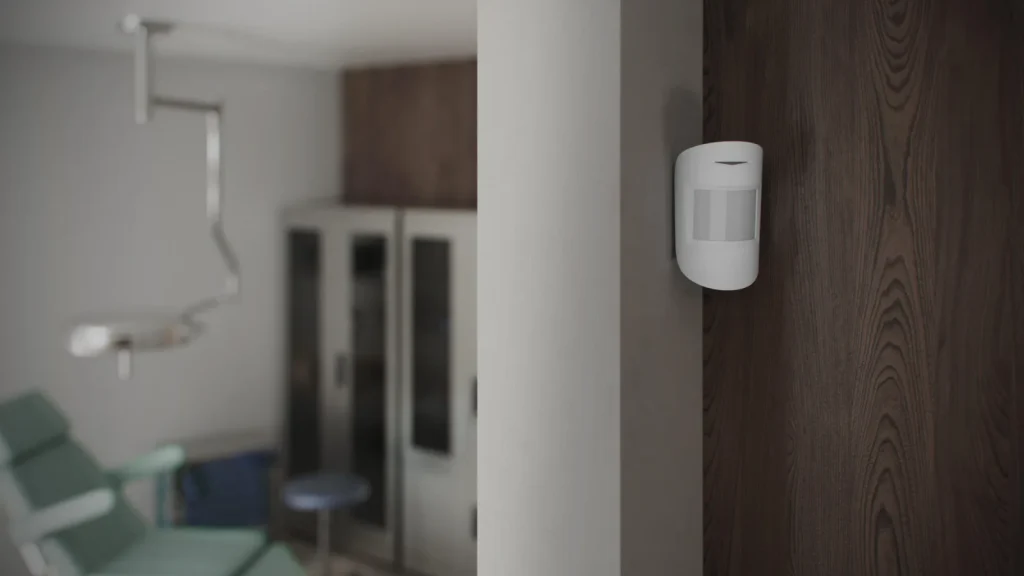
Motion detectors are the foundation of every modern alarm system, acting as a digital guard for your space. Many people wonder how such a device performs after a few years and whether its effectiveness declines over time. Modern, certified solutions such as those in the Ajax ecosystem are designed for long, stable operation, minimizing the risk of errors and false alarms even after many years of use.
At DEFENCE, as an Ajax Systems partner, we hear questions about the reliability and precision of these devices every day. Based on our experience designing and installing hundreds of systems, we can confirm that the key to success is not just the technology itself but also its correct implementation and setup. In this article, we explain how a motion detector works and go over the most common mistakes that can affect its effectiveness, while showing how a professional approach helps avoid them.
In brief
- Most motion detectors, including those in Ajax systems, are based on passive infrared (PIR) technology, detecting changes in surrounding thermal radiation.
- Smart digital algorithms in Ajax detectors analyze the signal to tell human movement from pets and other interference, which drastically reduces false alarms.
- Placing a detector in the wrong spot, such as opposite a window or radiator, is one of the most common mistakes that lead to malfunction.
- Technologies such as the two-way Jeweller radio protocol provide constant supervision of the detector and reliable communication, which means long, stable operation of the whole system.
Motion detectors in Ajax security systems: technology, operation, and eliminating mistakes
Infrared detection technology in Ajax detectors
Most motion detectors in Ajax systems use passive infrared (PIR) technology, which registers the thermal radiation emitted by objects warmer than absolute zero. The detector’s pyroelectric element picks up sudden changes in this radiation within its field of view, which makes it possible to identify moving people or animals. In the Ajax ecosystem, this technology is combined with a reliable communication protocol (Jeweller radio or wired Fibra). As a result, devices can run for a long time without failure (for example, up to 7 years on one battery in wireless models) while sending instant notifications of detected motion.
In Ajax detectors, PIR technology has been refined to an exceptionally high level of precision, which directly affects their reliability. The key element is a high-quality Fresnel lens that focuses infrared radiation onto the pyroelectric element while dividing the detector’s field of view into many separate detection zones. In our practice as installers, we see that the advanced optics in Ajax devices minimize distortion and dead spots, which significantly improves intruder detection.
The components Ajax uses are chosen to keep their properties over many years of use and resist aging. That’s why their equipment, holding strict certifications of conformity with the European Grade 2 standard, provides consistent, reliable detection. In our experience, investing in devices built from such durable materials eliminates detection problems. That’s why we at DEFENCE rely on Ajax Systems solutions.
How Ajax smart motion detectors minimize false alarms
SmartDetect signal analysis algorithms in Ajax detectors
A raw PIR signal is just a simple electrical pulse that carries little information on its own. The device’s real intelligence lies in the software that analyzes it. Ajax has developed proprietary digital algorithms (SmartDetect) that examine the heat signal’s characteristics in detail. They can tell the typical pattern of a moving person from other thermal interference. That minimizes the risk of false alarms caused by air movement or changes in light.
Advanced system software can ignore pets (of the appropriate height and weight), which our clients with dogs and cats appreciate. We set detection sensitivity precisely in our installer apps during installation. As certified Ajax system specialists, we calibrate these parameters for each room individually, taking this task off the user’s shoulders and ensuring the household sleeps soundly.
In the most advanced devices, such as MotionCam series smart motion detectors, PIR detection is combined with instant visual verification. When the detector spots an intruder, its built-in camera immediately takes a series of sharp photos. These are sent to the user, so you can judge in a fraction of a second whether a break-in is really happening and act without hesitation.
Mistake one: setting the wrong detection angle for the motion detector
Optimal mounting angles set by installers
Every detector has a precisely defined field of view. Mounting it yourself at the wrong height creates huge dead zones beneath the device. That’s why, at DEFENCE, we start every installation with an on-site visit and an assessment of movement paths in the building. This design-led approach ensures the protection works.
The optimal mounting spot is usually a corner of the room at the specified height (for Ajax products, this is typically exactly 2.4 meters). This position creates a wide fan of beam coverage and makes it as hard as possible to sneak up beneath the device. We orient the device relative to the windows and main walkways. Correct installation is crucial to the success of the whole alarm system.
The table below shows example recommendations our engineers follow for different types of rooms.
| Location | Installation recommendations | What to avoid |
|---|---|---|
| Living room | Mounting in a corner at 2.4 m, covering entrances and windows diagonally. | Pointing the lens straight at a fireplace, an air conditioner, or a south-facing window. |
| Long hallway | Mounting at the end of the hallway so an intruder crosses the detection beams or walks right along their axis. | Blocking the detector with tall built-in furniture; mounting it halfway down a hallway, which can create dead zones at the ends. |
| Built-in garage | Mounting at the back, with the field of view aimed at the opening garage door. | Pointing straight at the hot hood of a car that has just pulled in and parked. |
How system supervision affects reliability
The Jeweller radio protocol and the Fibra bus
In older solutions, the detector simply “shouted” its signal with no confirmation that the panel had heard the alarm. Ajax’s advanced communication is built on full two-way technology. Every data packet and detector reading is authenticated with the hub. If anyone tries to disrupt communication with a device, the hub immediately notifies the owners.
An excellent anti-jamming mechanism is so-called frequency hopping: in a fraction of a second, the hub switches the radio band it uses, bypassing interference and ensuring trouble-free operation. The stability of these protocols lets wireless models achieve record energy efficiency. In addition, DEFENCE provides full service support: we continuously review the system’s battery replacement notifications.
How does extreme temperature affect motion detection accuracy?
Digital temperature compensation
Passive infrared (PIR) detectors work by analyzing the difference between human body temperature and the background temperature of the room. When walls heat up on hot summer days and slowly approach an intruder’s body temperature (about 36.6°C), the natural contrast for the detector shrinks. The cheapest alarms on the market then start going blind to the threat.
To prevent this, Ajax ecosystem devices continuously analyze the environment with built-in thermometers. They have digital compensation: as the room heats up, the algorithm raises the pyroelectric sensor’s sensitivity to the required level, so an intruder’s figure always stands out clearly against the warm interior.
In our installation work, we see the practical benefits of this technology, especially in buildings without air conditioning, such as workshops or glass-fronted showrooms. Digital optimization compensates for temperature issues, providing reliable operation all 12 months of the year.
Why is placing a detector directly facing a window a big mistake?
Optical illusions and sun glare that trigger alarms
If a PIR lens has to watch the view through a patio window and is constantly hit by reflections from cars leaving a nearby street, the system may react incorrectly. Strong summer sun floods the interior and creates moving heat spots on the floor. Powerful air conditioners blowing straight at the detector have a similar effect. Although the SmartDetect algorithm filters these phenomena very well, exposing the detector to extremes is an unnecessary challenge.
The best approach is a professional design and the right mounting position relative to the light paths. By choosing the background (walls) precisely, an intruder will always walk straight into the detector’s beam, while false triggers from sunlight and ventilation are avoided. This care by the DEFENCE team completely solves the problem of stressful night-time wake-ups to the sound of the siren.
How installers deal with “dead zones”
Overlapping detection fields
Architectural quirks, fireplaces, bulky sofas, or large ceiling beams can block the lenses’ view. A “dead zone” is the gift a burglar is waiting for. An experienced criminal knows exactly how to crawl and which way to move if the installation layout was done incorrectly. That’s why eliminating such areas is left to certified engineers.
In our security projects, when we deal with spacious living areas with hidden alcoves, one detector is definitely not enough. We use a grid of overlapping fields of view from several discreet MotionProtect devices. Only then does layered coverage ensure every step of a potential intruder is detected immediately.
Device sensitivity programmed for each property
Every building breathes differently. Mechanical heat-recovery ventilation, potbelly stoves, gas fireplaces: all of these create air movement. Factory settings out of the box rarely work everywhere. To optimize detectors for specific rooms, the specialized Ajax PRO installer app is used.
Choosing from the levels (Low, Medium, High), the DEFENCE team assigns the right digital filters to each detector during final calibration on site. This makes it possible to avoid incidents completely. If you later decide to adopt a large 30-kilogram dog, get in touch: thanks to remote configuration, our service technicians can quickly retune the relevant detectors in your living room without visiting your home.
Summary
The effectiveness of an excellent Ajax detector rests on three inseparable pillars: the quality of the electronics, the advanced SmartDetect software, and a flawless device placement design. Eliminating mounting height errors, avoiding dead angles, and testing everything professionally is the recipe for long-term peace of mind.
- Top-tier technology: Ajax devices communicate over innovative two-way protocols (Jeweller/Fibra), quietly saving power and reporting any interference.
- Trust in professional installers: Even excellent equipment can’t replace a thorough risk assessment by experts. Skipping amateur planning and mounting takes the problem of false alarms off your mind.
- Configured sensitivity: The right overlap of fields of view in large rooms, while ignoring dogs and cats running around the house, is achieved through settings made by the certified DEFENCE crew.