

Where to install a carbon monoxide detector?
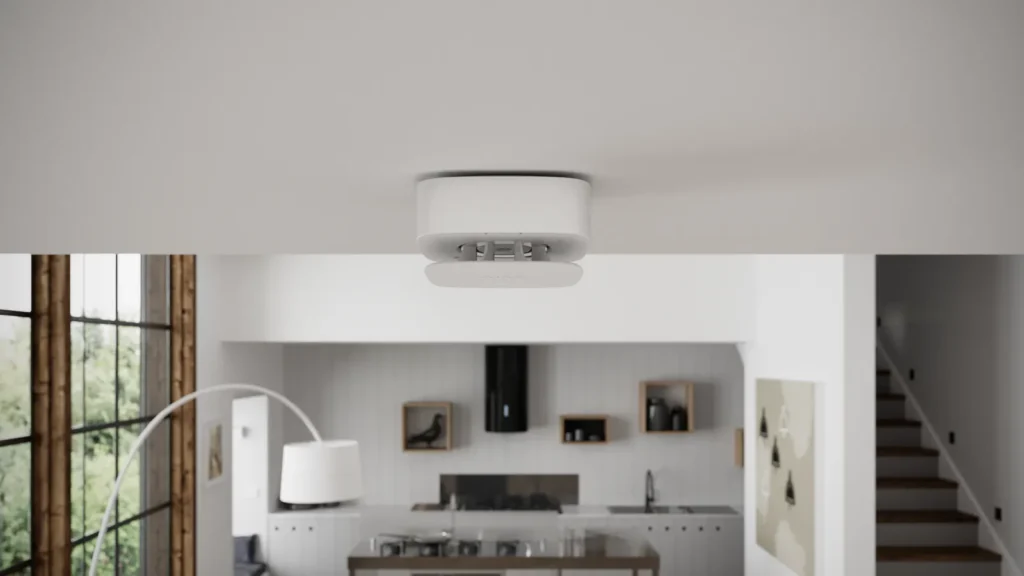
Carbon monoxide has no smell, color, or taste, which is why professional detectors are the only barrier protecting residents from its harmful effects. They detect the danger before a person even starts to feel unwell. However, an incorrectly installed device may fail at the critical moment.
Many users still make the same mistakes: they mount detectors in dead zones of airflow or too close to combustion sources. A CO detector integrated with a home alarm system, like the Ajax equipment we use, automatically sends a push notification to the owner’s phone the moment carbon monoxide is detected, even when you’re away. Combined with fire protection modules and smart scenarios, you get an integrated security ecosystem that you manage from one intuitive app.
In brief
- Modern multi-sensor detectors such as Ajax FireProtect 2 are installed on the ceiling, as the manual specifies, and detect smoke, heat, and carbon monoxide simultaneously and precisely.
- Keep a horizontal distance of 1 to 3 meters from the stove, boiler, or fireplace to avoid false alarms during normal combustion.
- In multi-level homes, you need at least one detector on every floor and in the key bedrooms.
- The PN-EN 50291-1 and PN-EN 50292 standards set out, respectively, the technical requirements for carbon monoxide detectors and the rules for selecting and installing them in residential buildings.
The most common installation mistakes homeowners make
The first mistake in DIY installations is applying outdated rules to modern equipment. Carbon monoxide is slightly less dense than air and mixes with it thoroughly. Older standalone CO detectors were recommended for wall mounting (about 1.5–2 meters above the floor). Today’s gold standard, the hybrid devices of the Ajax FireProtect 2 family, combines detection of smoke, temperature spikes, and carbon monoxide. That’s why Ajax engineers design them to be mounted strictly on the ceiling, where fire gases and heat arrive first.
Another problem is installation right next to a ventilation grille, air conditioner, or open window. A strong airflow simply disperses and blows the carbon monoxide outside before the detector can register a dangerous concentration. It’s also a mistake to place equipment in dead spaces, such as deep in corners and alcoves, where air exchange is severely restricted.
A common oversight is ignoring the distance guidelines. Mounting too close to a heating boiler often causes the detector to pick up natural combustion fumes, which leads to stressful false alarms. Another serious mistake is not installing protection in bedrooms, where the alarm must be loud enough to wake the household from deep REM sleep.
Installation guidelines and equipment reliability: what do the standards say?
The PN-EN 50291-1 standard sets strict technical requirements for electronic carbon monoxide detectors in the home. Professional equipment must respond promptly to specific concentration levels: 50 ppm must trigger a response within 60–90 minutes, and a very dangerous 300 ppm within 3 minutes. These demanding thresholds ensure the user is alerted before exposure causes irreversible neurological damage.
The PN-EN 50292 standard, in turn (replacing outdated installation habits and clearly distinct from the standards for camping vehicles), is a set of recommendations on selecting and positioning detectors in homes. Installation is not recommended in areas prone to freezing or exposed to sudden pressure changes (air vents).
Because it’s completely invisible and odorless, carbon monoxide is behind thousands of emergency service call-outs every year. Even seemingly sound stoves and fireplaces can unexpectedly leak because of a blocked chimney (so-called backdraft). A system based on detectors certified to EN 50291-1, such as Ajax’s range, ensures reliable operation under varying humidity and temperature swings.
Remote notifications and security via the Ajax app
A FireProtect detector integrated with the alarm system sends data to the hub over a secure radio protocol. It takes a fraction of a second for the system to send a push notification to your smartphone, wherever you are in the world. A traditional detector will wake you with its siren only if you’re in that room. The solutions installed by our company, DEFENCE, provide full remote control and situational awareness of the property.
As a reminder: at a concentration of 400 ppm, the first symptoms of severe poisoning (headache, nausea) appear after 1–2 hours, and in under 3 hours the environment becomes a direct threat to life. That’s why systems that react instantly matter so much, allowing a quick evacuation or alerting emergency services through the security company’s linked monitoring station.
Automation and emergency scenarios
Ajax software lets us, as certified installers, program highly effective emergency paths. A critical CO concentration alarm gets the highest priority on your phone (forcing a unique, loud sound that bypasses “Do Not Disturb”).
What’s more, CO detection can trigger home automation: smart relays (such as WallSwitch) can immediately cut power to the circuit feeding a faulty boiler, turn on full lighting along escape routes, and, thanks to the fully integrated ecosystem, combine the alert with footage from cameras set up in the app. You see the problem, you react, you save your property.
How many Ajax FireProtect 2 devices does your home need?
A single detector is only good enough for a small studio apartment. In detached houses, we follow one fundamental rule: a detector with a CO module must be in every room with fuel-burning equipment (a gas or pellet boiler room, a living room with a wood-burning fireplace).
Although this gas circulates freely in the air, remember that any physical barriers, especially closed, heavy doors, significantly delay the spread of deadly carbon monoxide to other parts of the floor. So if the stove is downstairs and you sleep upstairs behind a closed door, the detector in the boiler room will alert the system, but it’s worth having linked devices in hallways and bedrooms whose built-in loud sirens sound in sync.
In homes with a built-in garage, detectors are just as important. Starting a combustion engine in a closed garage without proper ventilation often lets carbon monoxide seep through gaps into the main living area once someone opens the connecting door.
How devices evolved: standalone vs. hybrid (multi-sensor) detectors
In the past, a smoke detector picked up combustion particles, and a separate CO detector monitored incomplete fuel combustion. Their different densities meant separate mounting: smoke was caught on the ceiling and CO on the wall next to the stove. Today’s professional technology has solved this problem and combined all the advantages in one powerful module.
With devices like the multi-sensor Ajax FireProtect 2, you don’t have to pick a dozen separate, unsightly wall boxes. Advanced dual-beam optical technology detects the finest smoke particles, an innovative thermistor recognizes temperature spikes, and a reliable chemical sensor responds to CO. The DEFENCE engineering team installs this all-in-one device on the ceiling, so one tidy unit takes care of every aspect of fire and gas protection.
Safe horizontal distance from combustion sources
Whether the device is mounted on the ceiling or, optionally, higher up on a side wall, the right horizontal distance from the appliance giving off heat and fumes is crucial. A detector placed directly above a fireplace chimney would be exposed to overheating and to the natural, harmless bursts of carbon dioxide that occur when the firebox door is opened.
Industry guidelines require a horizontal distance of at least 1 meter (ideally 1.5 to 3 meters) from the front of gas or coal stoves and fireplaces. That way, the sensors catch gas slowly building up after a failure and ignore the smoke produced for a split second when coal is added to the boiler.
Recommended horizontal distance:
| Heat source | Recommended horizontal distance (from the source) |
|---|---|
| Solid fuel boiler (coal, pellets) | 1.5 m – 3.0 m |
| Fireplace in the living room | 1.5 m – 3.0 m |
| Gas boiler in the bathroom/boiler room | 1.0 m – 3.0 m |
| Freestanding stove (a so-called potbelly stove) | 1.5 m – 3.0 m |
When installing equipment in a small boiler room, DEFENCE technicians always choose the point farthest from the flue outlet while keeping the detector centrally located for the fastest air readings.
How do you avoid false alarms and look after the sensors?
Avoiding false alarms is the main advantage of leaving installation to an experienced team of certified installers. Besides the horizontal distance mentioned above, we avoid places exposed to heavy dust and condensing steam, which could damage the delicate mesh of the optical chambers inside the detectors.
Batteries and service are also extremely important. Every chemical module that measures CO levels wears out. In older, cheaper supermarket models, it loses its measuring ability after a few years. In the Ajax ecosystem, the batteries provide long and very stable service life. The hub itself regularly polls the device about its status and tells the user in the app when the module absolutely needs cleaning or when a worn-out unit is due for scheduled replacement after years of faithful service.
One ecosystem means reliable rescue
A CO detector is no longer a separate add-on in the home. Today it’s part of the building’s advanced nervous system. From perimeter protection (opening detectors), through interior protection (motion detectors) and leak protection on water pipes, to advanced fire prevention, all of it is orchestrated by the Ajax Hub.
The modern video cameras DEFENCE installs on properties use excellent image sensors, letting you assess events quickly with live view right in the app linked to the alarm system. With a complete picture from all sensors at once, you make the best decisions and enjoy a greater sense of security.
Summary
- Professional, integrated Ajax FireProtect 2 detectors are designed for ceiling mounting and instantly pick up smoke and heat as well as dangerous carbon monoxide.
- Multi-level homes and layouts with closed bedrooms absolutely require at least several warning devices to ensure early evacuation.
- Integration with an Ajax hub ensures instant push alerts to the mobile phones of authorized users.
- Keeping a horizontal distance of at least 1 meter (ideally about 2 meters) from fireplaces or boilers effectively prevents false alarms caused by simply adding fuel to the stove.